
Rethinking Alzheimer’s: Energy, Inflammation, and Prevention
Welcome to our webpage, where you will find the most direct, most up-to-date information on how to prevent Alzheimer’s disease, and not only that but some of the most cutting-edge approaches to improving and getting more out of your brain than ever before.
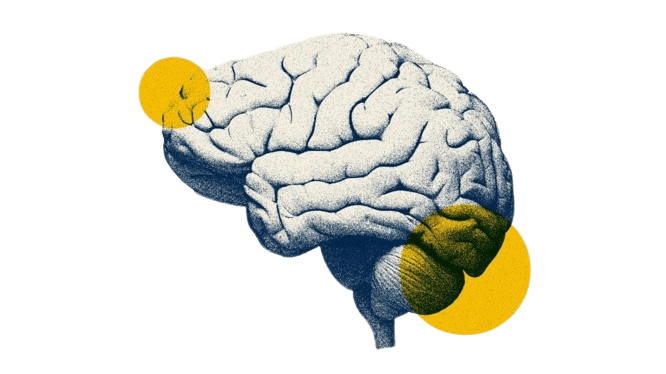
Outline
Explore emerging insights into reduced brain metabolism, challenges to the amyloid hypothesis, vitamin D₃’s protective role, and the critical influence of neuroinflammation on dementia progression.
Unlock cutting-edge research plus more breakthroughs to safeguard cognitive health, which reveals:
1
Research indicates that individuals with Alzheimer's disease (AD) exhibit impaired glucose metabolism in the brain, leading to reduced energy availability:
Impaired Glucose Uptake: Longitudinal positron emission tomography (PET) studies have documented reduced glucose uptake and cerebral blood flow throughout the brain in AD patients. This hypometabolism is evident even before clinical symptoms manifest, suggesting that energy deficits may contribute to disease progression. translationalneurodegeneration.biomedcentral.com
Astrocyte Dysfunction: A study funded by the NIH found that amyloid-beta and tau proteins increase the activity of the enzyme IDO1 in astrocytes, leading to suppressed glucose metabolism. Inhibiting IDO1 restored glucose metabolism and cognitive function in mouse models, highlighting a potential therapeutic target. nia.nih.gov
Early Metabolic Changes: Alterations in glucose uptake in the cerebral cortex have been observed in individuals at risk for AD, even before clinical symptoms arise. These changes may predict the histopathological diagnosis of AD and are associated with increased vulnerability to cognitive impairment. mdpi.com
2
1. Complement System and Synaptic Pruning
Claim: The brain's immune system, particularly the complement cascade, becomes overactive in AD, leading to the tagging and removal of healthy synapses by microglia.
Supporting Evidence:
A study published in Science demonstrated that the complement system and microglia mediate early synapse loss in Alzheimer's mouse models. The research showed that complement proteins C1q and C3 localize to synapses and mediate their elimination by phagocytic microglia. PubMed
Further research in Trends in Neurosciences highlighted the unexpected role of the classical complement cascade in the elimination of central nervous system synapses, indicating that complement proteins are localized to developing CNS synapses during periods of active synapse elimination. PubMed
2. NLRP3 Inflammasome Activation
Claim: The NLRP3 inflammasome, part of the brain's innate immune system, becomes chronically activated in AD, leading to sustained inflammation and neuronal death.
Supporting Evidence:
A review in Frontiers in Neurology discusses the role of microglia and the activation of the inflammasome in the innate immune response to AD, emphasizing that NLRP3 inflammasome activation plays a significant role in AD pathogenesis. PubMed
Research in Bioscience Reports found that the NLRP3 inflammasome in microglia promotes the transformation of astrocytes into a neurotoxic phenotype, exacerbating neuronal decline and cognitive impairment. ScienceDirect
3. Amyloid-β and Tau as Antimicrobial Agents
Claim: Amyloid-β (Aβ) and tau proteins may initially serve protective roles against microbial infections, but their accumulation becomes pathological in AD.
Supporting Evidence:
A study in Science Translational Medicine presented in vivo data showing that Aβ expression protects against fungal and bacterial infections in mouse, nematode, and cell culture models of AD. ScienceDirect
Research in Scientific Reports indicated that Aβ exhibits antimicrobial activity against numerous pathogens, supporting a potential role for Aβ in the innate immune response. Nature
4. Cellular Senescence in Neurons and Glia
Claim: Neurons and glial cells enter a senescent-like state in AD, ceasing normal function and secreting inflammatory substances that exacerbate neurodegeneration.
Supporting Evidence:
A review in Frontiers in Cellular Neuroscience discusses increased senescence in different cell types of AD brains, including astrocytes, microglia, and neurons, as demonstrated by enhanced senescence-associated β-galactosidase expression and other markers. Frontiers
Research in Cell Stem Cell showed that aged AD neuron cultures gain an inflammatory senescence-associated secretory phenotype (SASP) capable of triggering reactive astrogliosis. PubMed
5. Suppression of Metabolic and Repair Pathways
Claim: In AD, the brain actively reduces glucose metabolism, synaptic plasticity, neurogenesis, and mitochondrial function, resembling a "hibernation" mode under chronic stress.
Supporting Evidence:
A study in Neurobiology of Aging found that glucose uptake in the brain decreases due to normal aging, but this decline is accelerated in AD patients. PubMed
Research in Frontiers in Neuroscience highlighted that the brain is highly sensitive to fluctuations in blood glucose concentration, and disturbances in glucose metabolism can contribute to neurodegenerative processes. Frontiers
6. Ferroptosis and Regulated Neuronal Death
Claim: Ferroptosis, an iron-dependent form of regulated cell death, is implicated in AD, with neurons activating this "suicide" program in response to damage.
Supporting Evidence:
A review in Frontiers in Aging Neuroscience discusses the involvement of ferroptosis in AD pathogenesis, suggesting that targeting ferroptosis could delay disease progression. Frontiers
Research in Cell Death & Disease found that ferroptosis has been implicated as a mechanism of neurodegeneration in AD, with neocortical iron burden predicting disease progression. Nature
3
While the amyloid hypothesis has dominated AD research for decades, several studies have raised questions about its validity:
actaneurocomms.biomedcentral.comhindustantimes.com
Therapeutic Failures: Despite the development of drugs targeting amyloid-beta, many have failed to demonstrate significant clinical benefits. For instance, the FDA-approved drug aducanumab faced criticism due to incomplete and contradictory data supporting its efficacy. sciencealert.com
Scientific Misconduct: Investigations have uncovered potential scientific fraud in key studies supporting the amyloid hypothesis. A notable example is the 2006 Nature paper identifying a subtype of amyloid-beta as the cause of AD, which may have been based on fabricated data. sciencealert.com
Alternative Pathways: Recent research suggests that other mechanisms, such as neuroinflammation and tau pathology, may play more significant roles in AD progression. This has led to a reevaluation of the amyloid hypothesis and a call for broader research into alternative therapeutic targets.

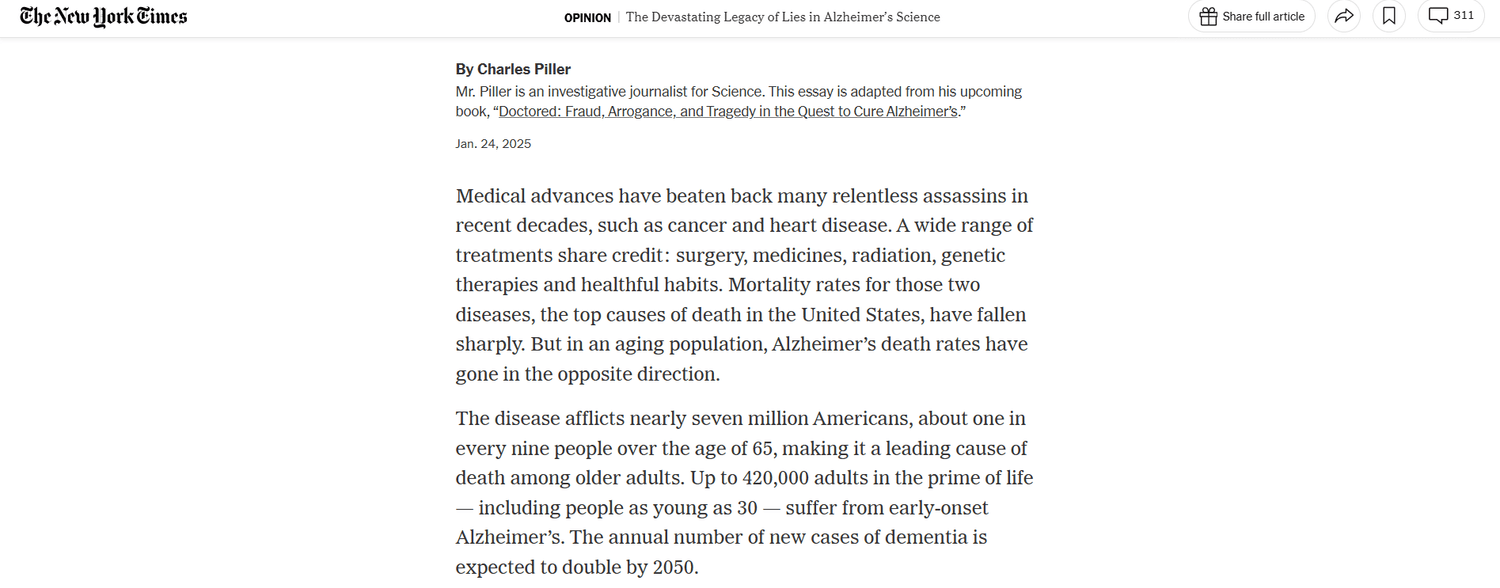
For a comprehensive understanding of the study, click the link to read the original research article: https://www.nytimes.com/2025/01/24/opinion/alzheimers-fraud-cure.html?unlocked_article_code=1.PU8.SCtA.DRly1xxPaySY&smid=wa-share
4
Emerging studies suggest that adequate levels of vitamin D3 may offer protective effects against dementia:
Reduced Incidence: A large-scale study involving 12,388 participants found that vitamin D supplementation was associated with a 40% lower incidence of dementia. The protective effects were more pronounced in women, who experienced a 49% reduction in risk. verywellhealth.com
2medicalnewstoday.com
2sciencedaily.comMechanistic Insights: Vitamin D is believed to aid in the clearance of amyloid-beta aggregates and provide anti-inflammatory and antioxidant benefits, which may contribute to its protective effects against cognitive decline. verywellhealth.com
Association with Cognitive Performance: Studies conducted by the Universities of Cambridge and Manchester found that individuals with lower levels of vitamin D had worse mental performance. Those severely deficient in vitamin D had double the risk of cognitive impairment compared to individuals with adequate levels. alzheimersorganization.org
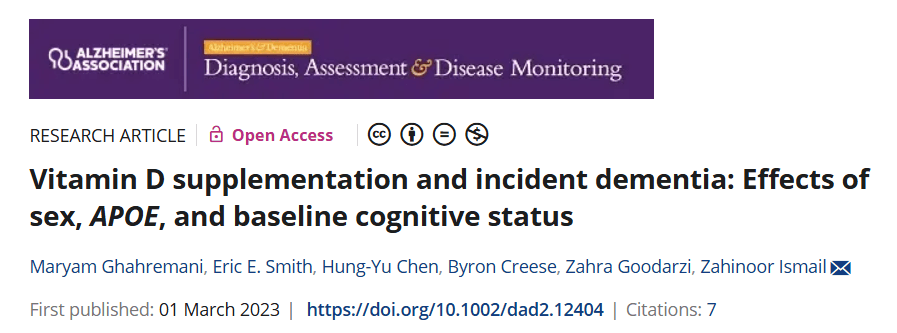
Vitamin D supplementation and incident dementia: Effects of sex, APOE, and baseline cognitive status
Vitamin D3, commonly known as cholecalciferol, is integral to various physiological processes, notably bone health and immune system functionality. Emerging empirical evidence underscores its potential role in mitigating the risk of cognitive decline and dementia.
A pivotal study published in Alzheimer’s & Dementia: Diagnosis, Assessment & Disease Monitoring analyzed data from over 12,000 older adults, averaging 71 years of age, who were initially free from dementia. The cohort was bifurcated based on vitamin D supplementation status. Findings revealed that individuals who supplemented with vitamin D exhibited a 40% reduction in dementia incidence compared to non-supplementers. Notably, the protective effect was more pronounced in women, who experienced a 49% reduction in risk. Additionally, participants with mild cognitive impairment at baseline demonstrated a 33% lower incidence of progressing to dementia when supplementing with vitamin D.
For a comprehensive understanding of the study, click the link to read or download the original research article: Vitamin D supplementation and incident dementia: Effects of sex, APOE, and baseline cognitive status.
Educational Resources
To further elucidate the relationship between vitamin D3 and cognitive health, consider viewing the following expert discussions:
This Supplement Could Cut Your Dementia Risk By 40%
Vitamin D and Dementia
Vitamin D reduced dementia by 40%
Vitamin D Mistake
5

Dementia already takes an enormous toll on American families and the health system. More than six million Americans currently have dementia and the number could double by 2060, researchers said. Credit: Maansi Srivastava/The New York Times

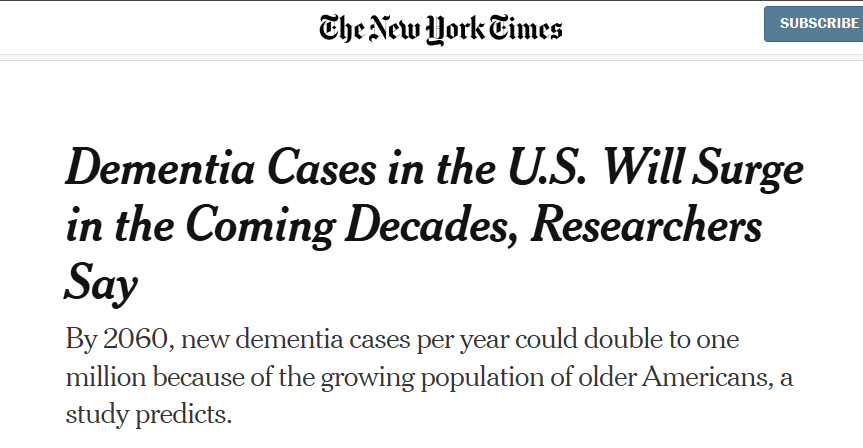
The number of people in the United States who develop dementia each year will double over the next 35 years to about one million annually by 2060, a new study estimates, and the number of new cases per year among Black Americans will triple.
Dementia already takes an enormous toll on American families and the country’s health care system. More than six million Americans currently have dementia, nearly 10 percent of people 65 and older, research has found. Experts say that each year in the United States, dementia causes more than 100,000 deaths and accounts for more than $600 billion in caregiving and other costs.
Read Full Article: https://www.nytimes.com/2025/01/13/health/dementia-cases-us.html?unlocked_article_code=1.9k4.bE-0.x8kCmPRvyiYL&smid=url-share
6
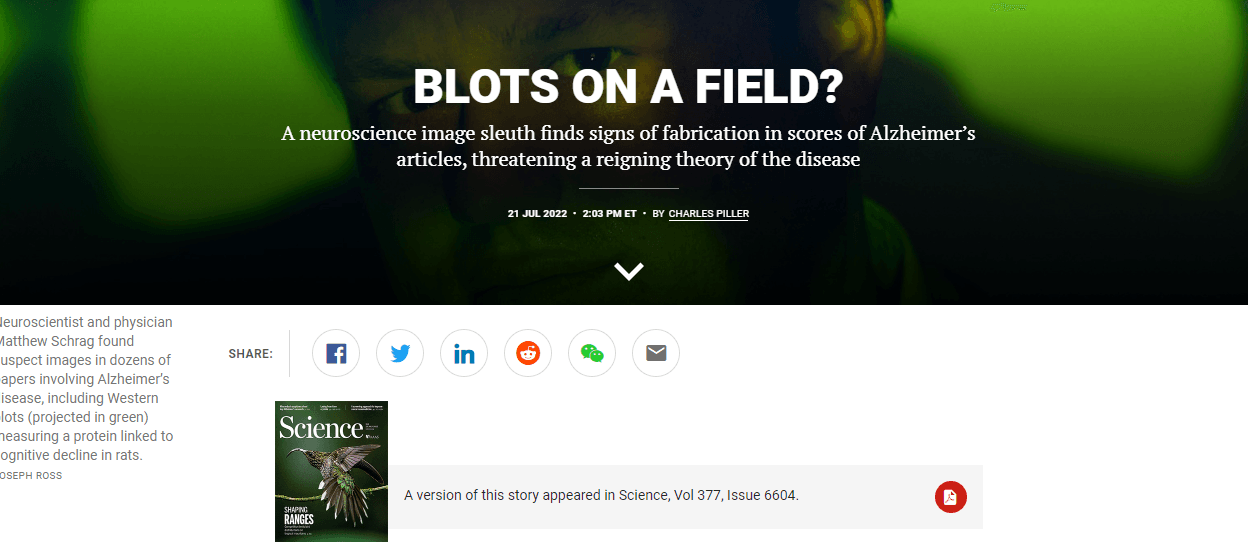
Blots on a field? A neuroscience image sleuth finds signs of fabrication in scores of Alzheimer’s articles, threatening a reigning theory of the disease
Read full article: https://www.science.org/content/article/potential-fabrication-research-images-threatens-key-theory-alzheimers-disease
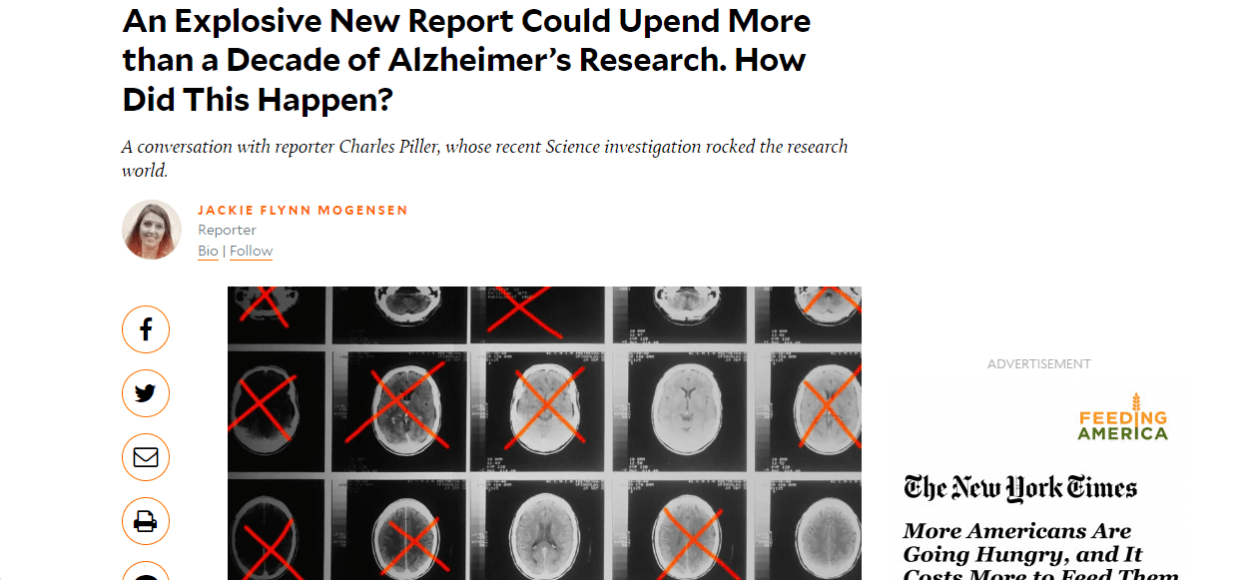
An Explosive New Report Could Upend More than a Decade of Alzheimer's Research. How did This Happen?
Read full article: https://www.motherjones.com/politics/2022/08/alzheimers-research-image-photo-tampering-science-investigation-research/
7
Ongoing studies and emerging breakthroughs that will reshape your understanding of dementia prevention and treatment
Connect With Dr David
For all other enquiries like speaking engagements and interviews on Alzheimer’s disease, please click on the button below to fill out the contact form to get in touch with the Dr. David Ajibade team.
All rights reserved. Copyright @ 2026 - Dr David Ajibade
Almost there!
Kindly fill out the form to get started.
Get access to proof of scientific evidence on dementia
Unlock cutting-edge research plus more breakthroughs to safeguard cognitive health, which reveals:
1. How Dementia Drains Brain Energy
2. Why Dementia Puts the Brain in “Self-Suicide” Mode
3. Why the Amyloid Theory Doesn’t Tell the Whole Story
4. How Vitamin D₃ Shields Against Dementia
5. What Else You Need to Know—Coming Soon